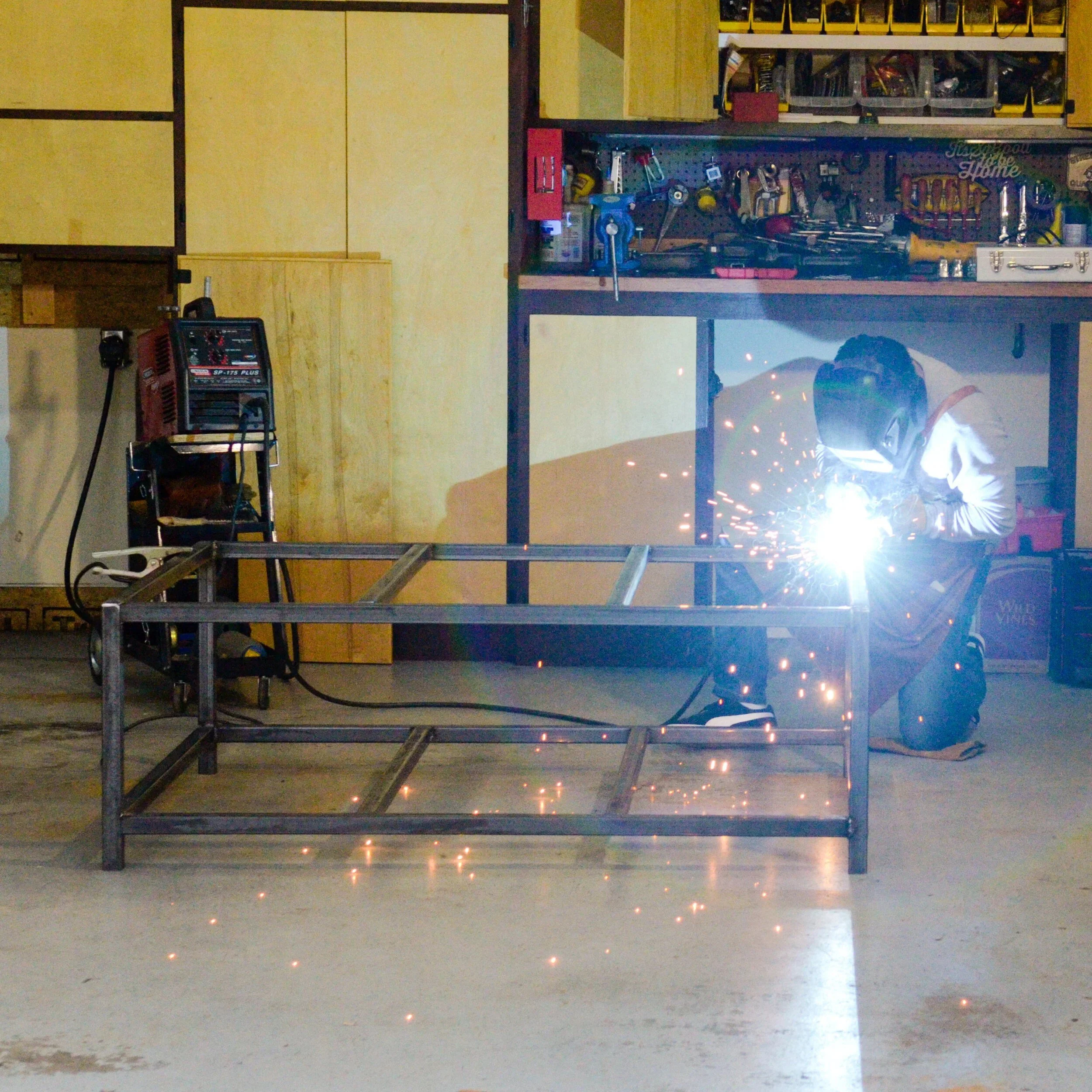
Welded Steel Base for CNC Machine
As I start exploring digital woodworking and automation through the use of a 4’x4’ CNC spindle machine. I made a welded steel base to support the CNC machine that I’ll be receiving in late June of 2020.
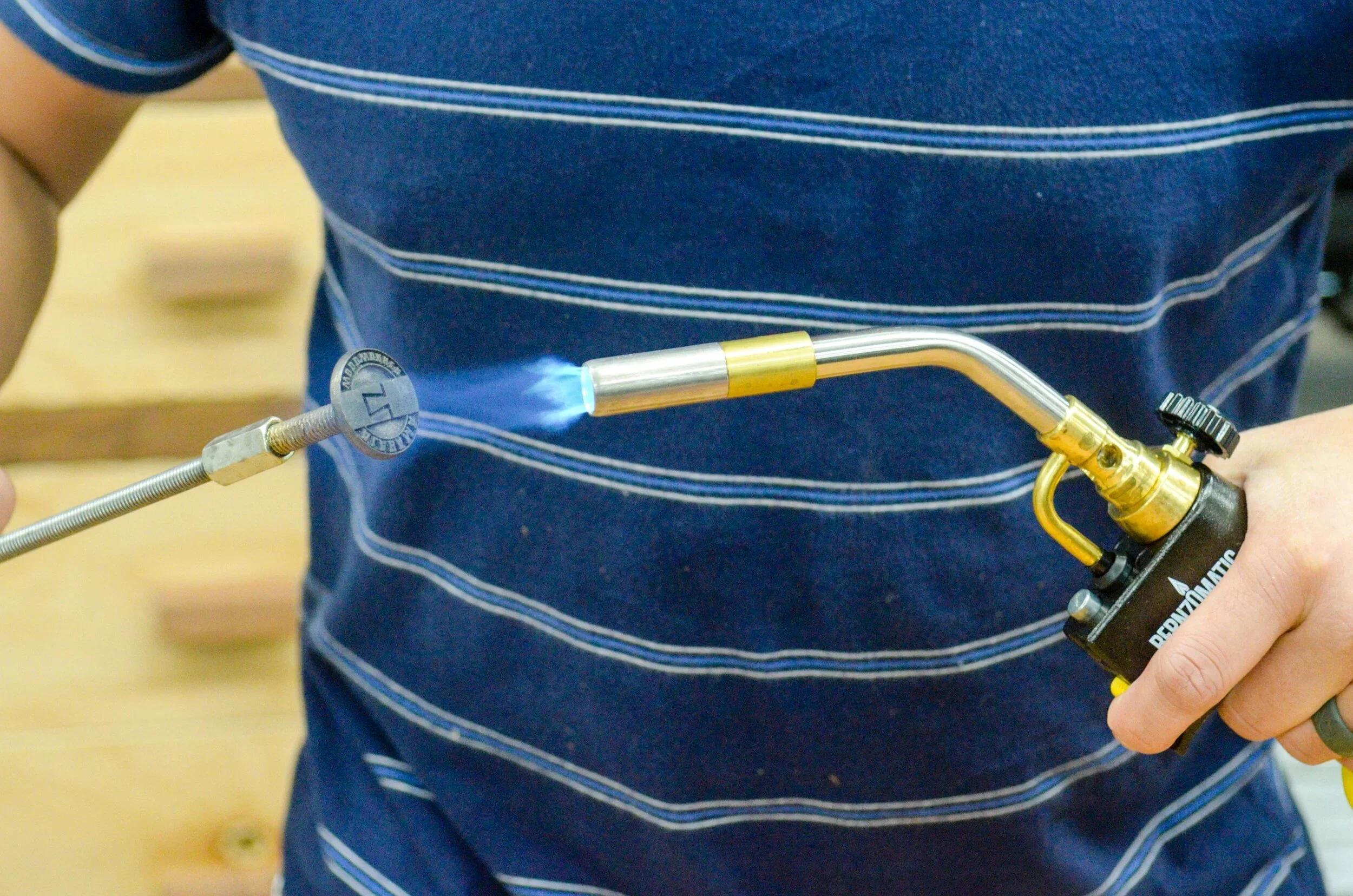
Using a Branding Iron
I’ve started using a branding iron with my logo to identify my work. Here are some things I’ve learning that may help you if you’ve thought about using a branding iron.
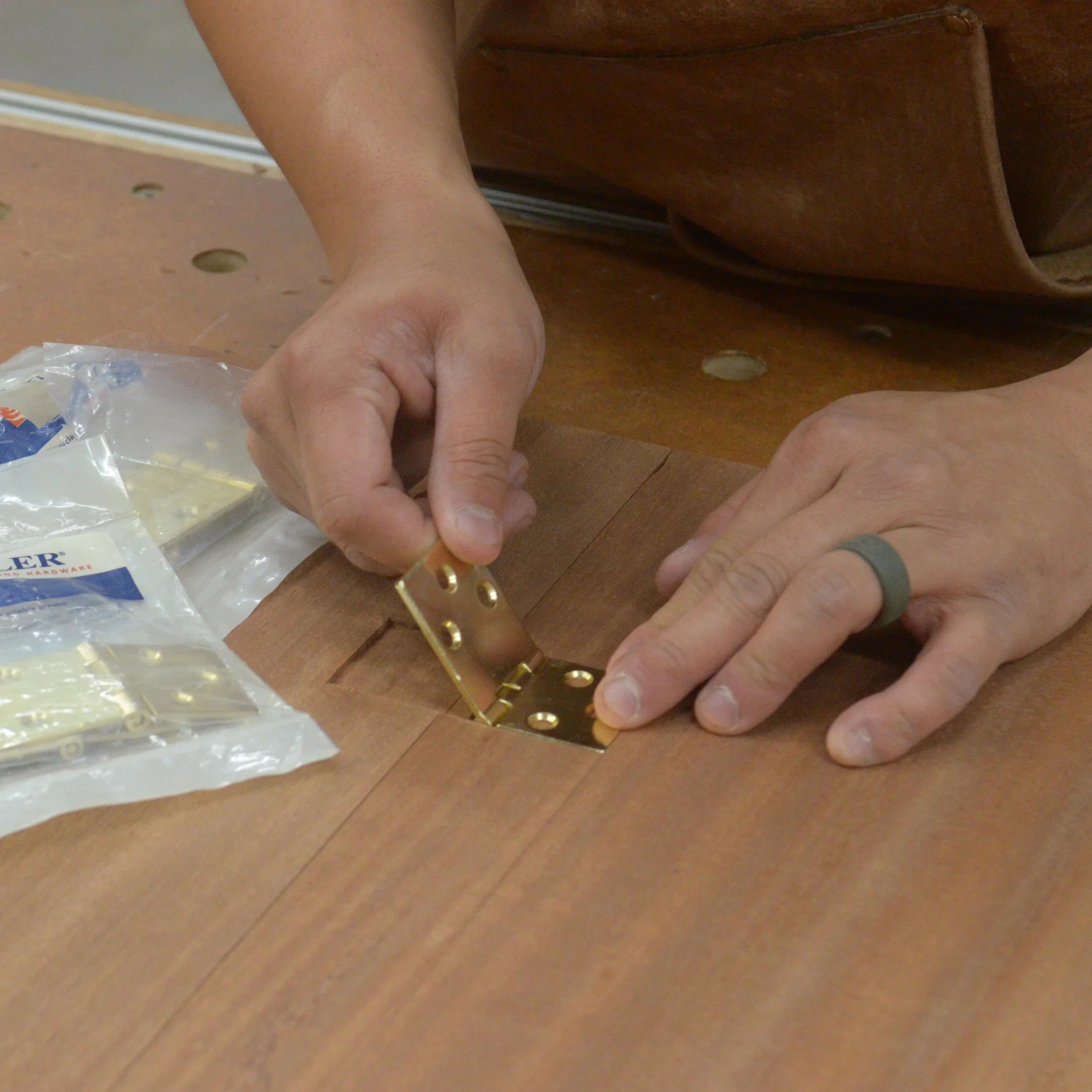
Routing Mortises for Drop Leaf Hinges on a Rule Joint
The mortises for drop leaf hinges requires a single template and spacer for the leaves and barrel of the hinge.
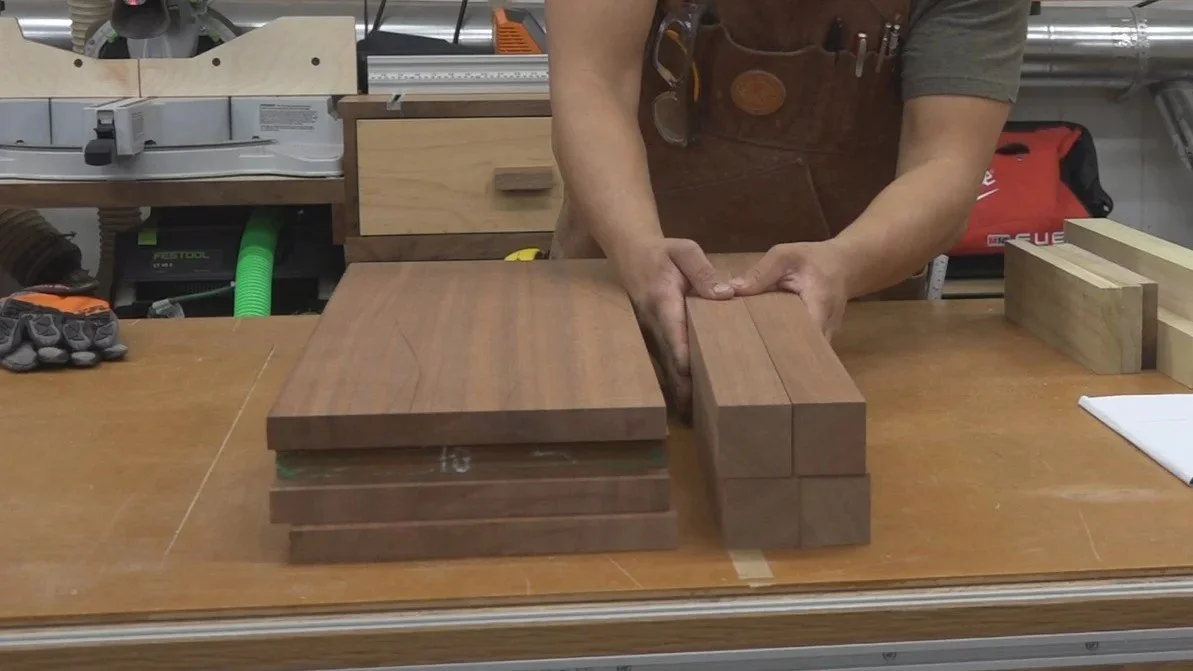
Milling Lumber S4S
Milling lumber S4S (surfaced 4 sides) is the first step to producing great furniture
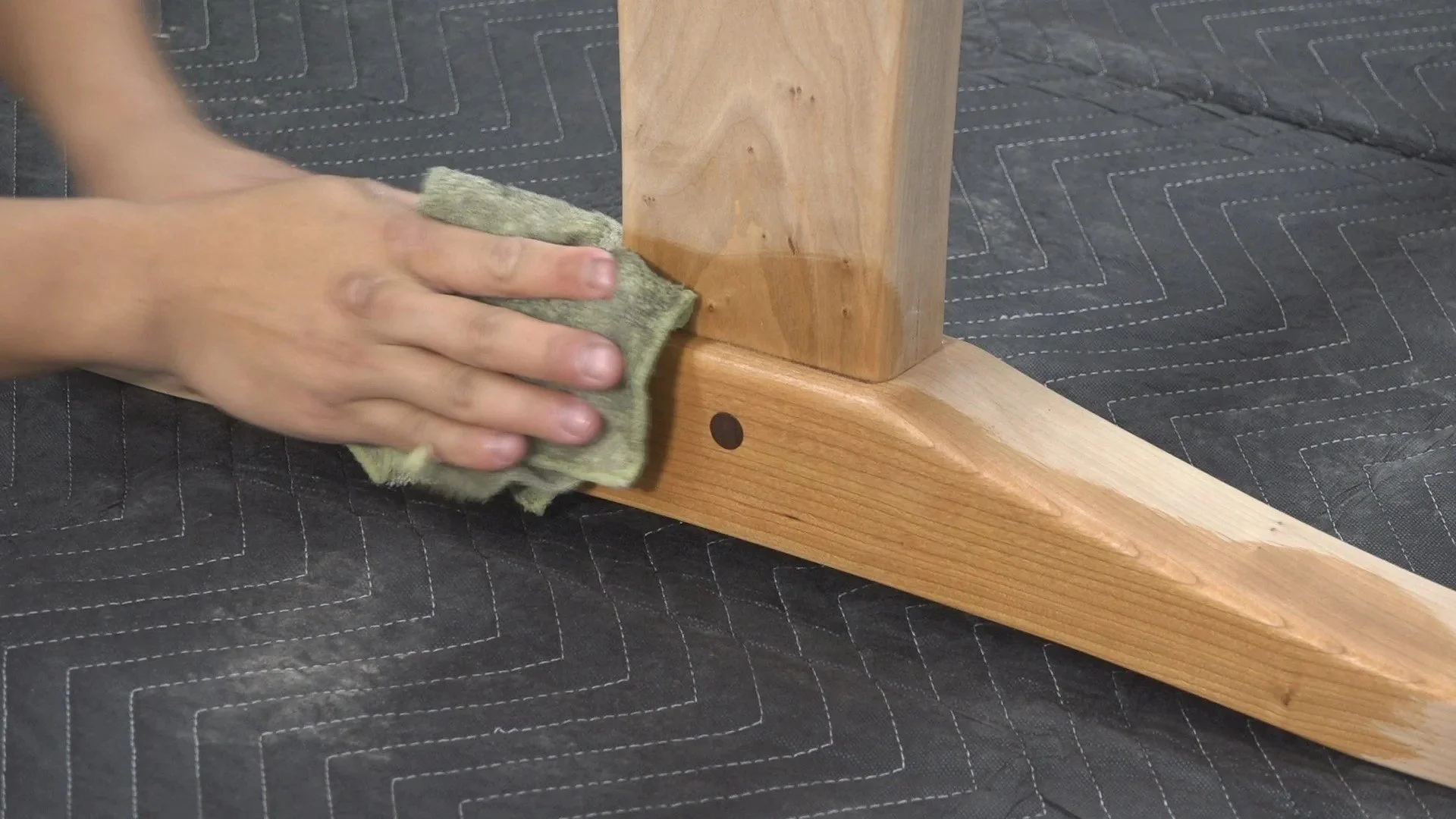
Draw Boring Tenons
Draw boring is an ancient technique of combining the chemical strength of glue with the mechanical strength of an interlocking dowel.
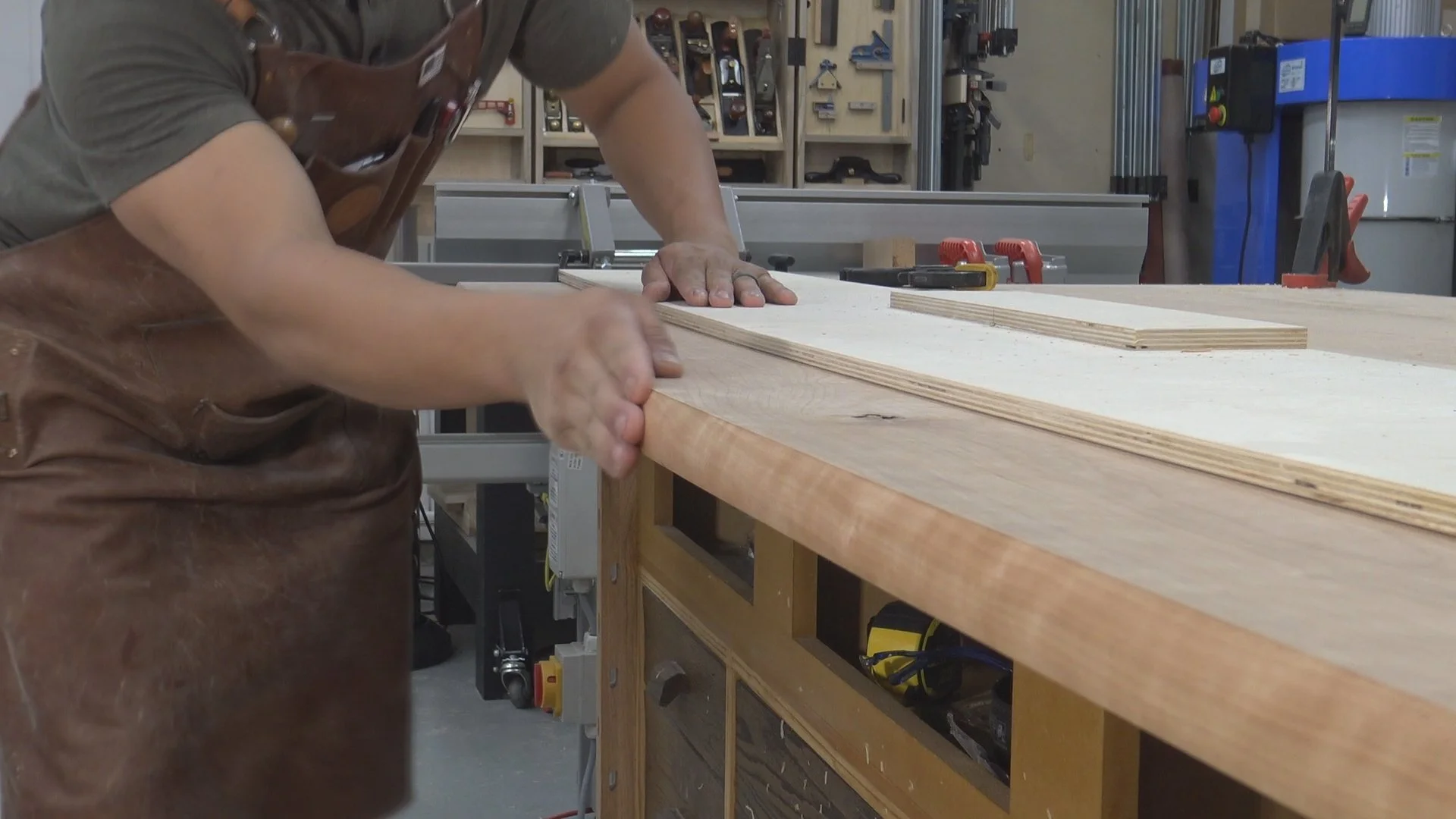
Multi-Curve Edge Treatment
Using a template to create a subtle curve to the edges and parabolic curve for the edge treatment
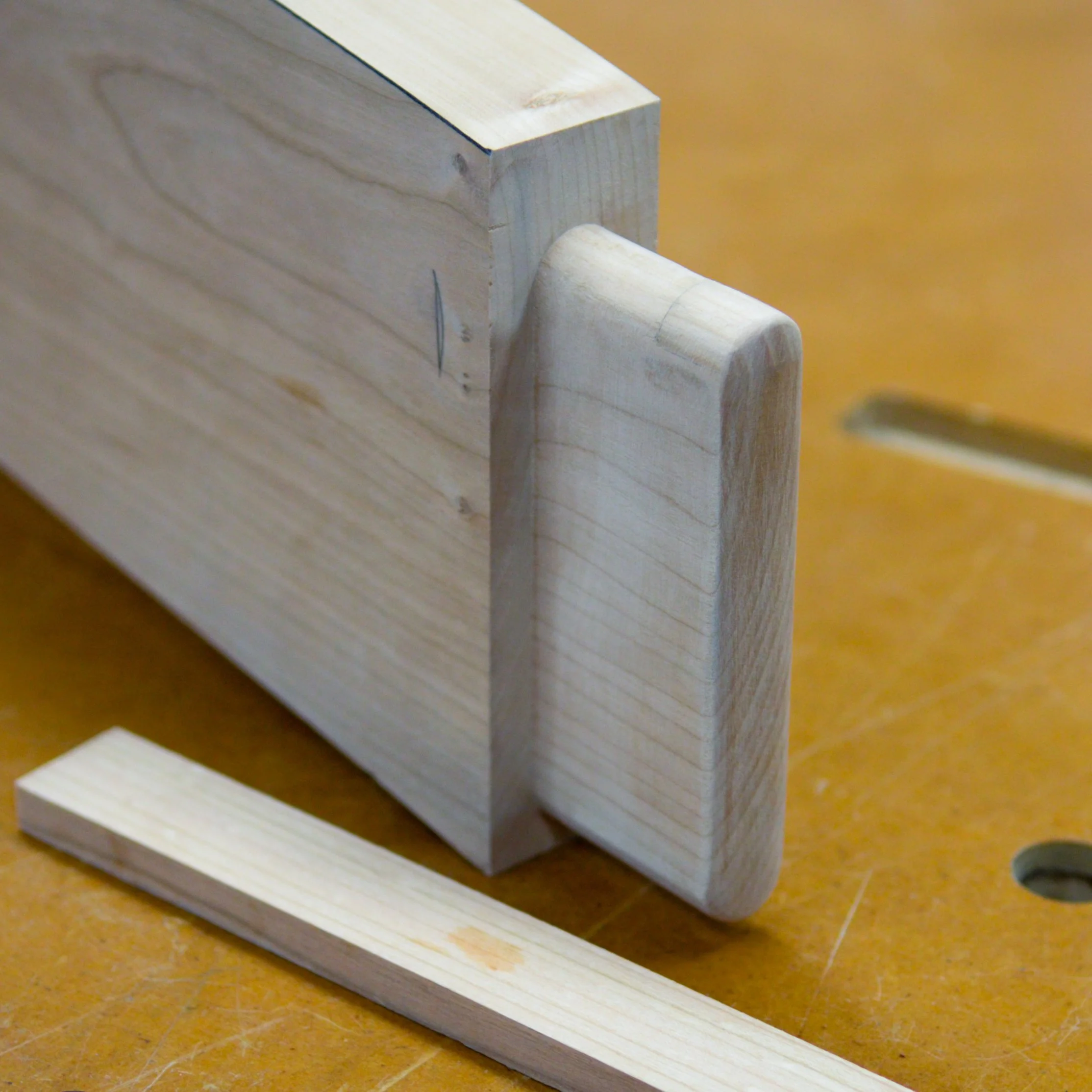
Repairing Exposed Tenons
I was at the router table pattern routing the stretcher to a trestle table I was making. I’ve done this type of operation hundreds of times. It simple! Make sure you take off as much material off at the bandsaw as possible and you’ll get a nice smooth surface on the router table with a good sharp pattern routing bit. Then I got over confident and that’s when you make mistakes. Thankfully, I was able to correct that mistake using some clever techniques.
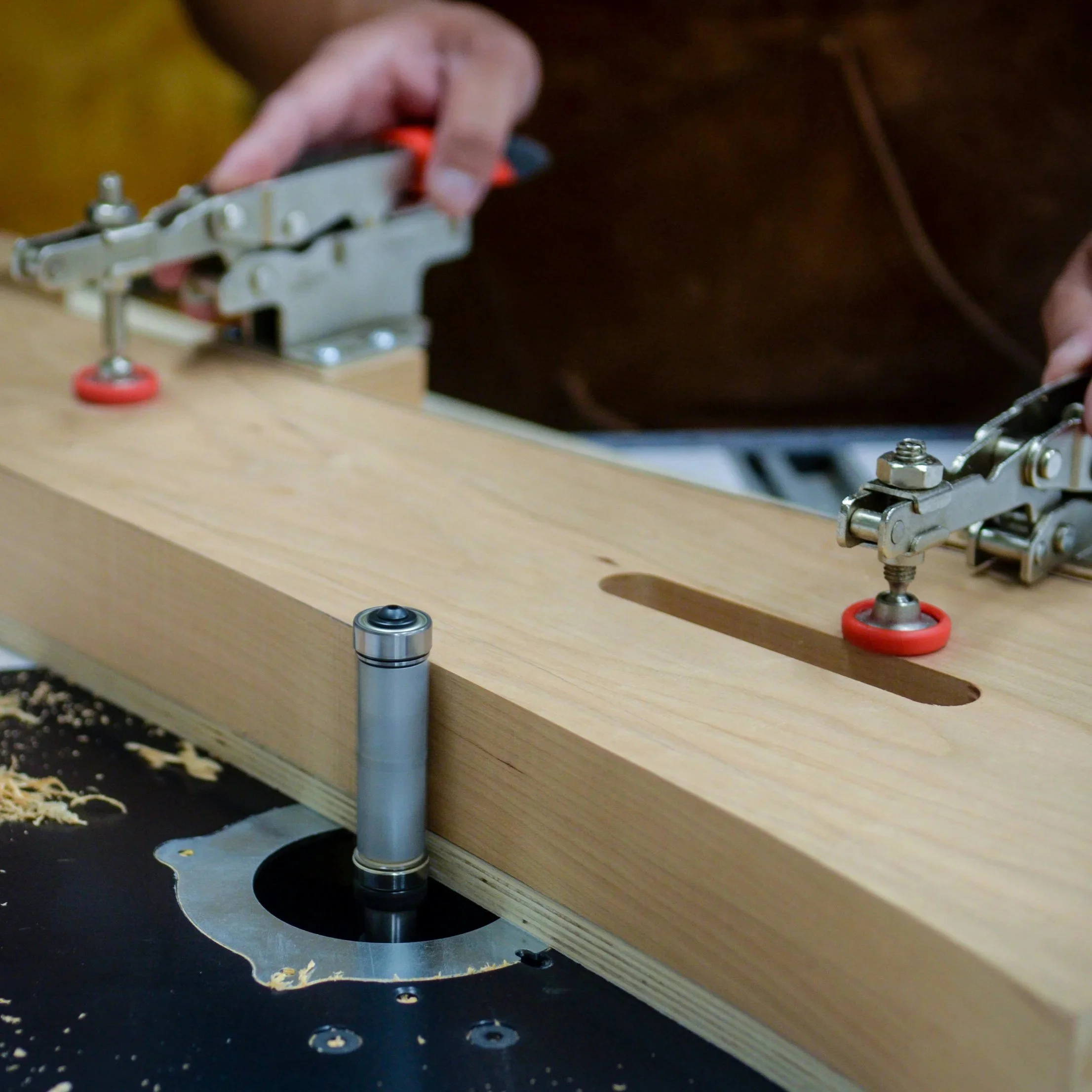
Making Templates and Pattern Routing Jigs
Whenever I’m building furniture with curved pieces, I often produce a template. This helps in the layout of the work piece with respect to grain direction/selection and offers me a life size visualization of the finished piece. This also gives me the ability to reproduce that piece in the future without having to “reinvent the wheel.”
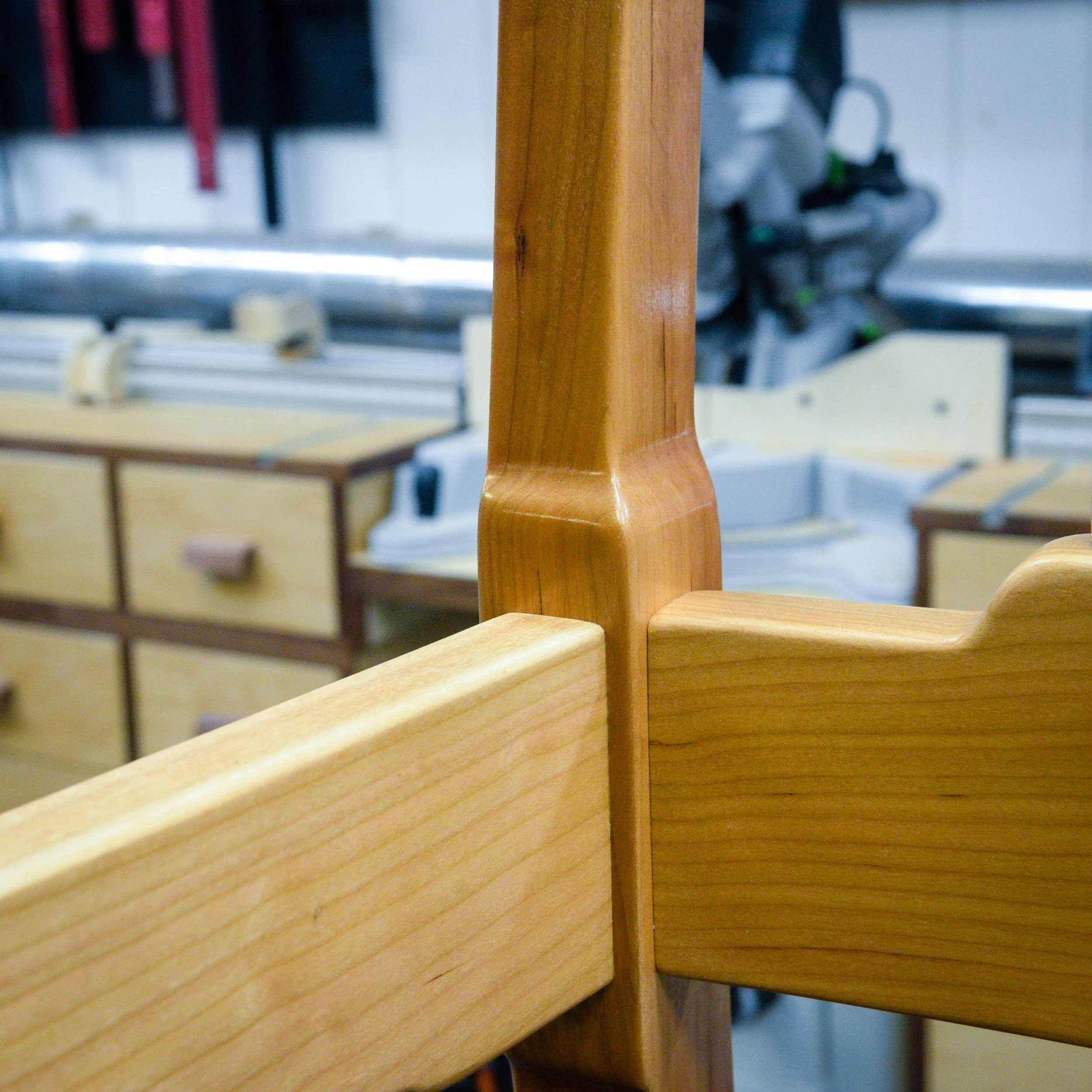
Interior Cloud Lifts on Chair Legs
The interior cloud lifts on the rear legs are shaped using both power tools and hand tools. However, after performing this operation, I realized that the use of a rotary tool may have made my work a lot easier. I’ll discuss that later. First, let me explain how I manufactured this detail.
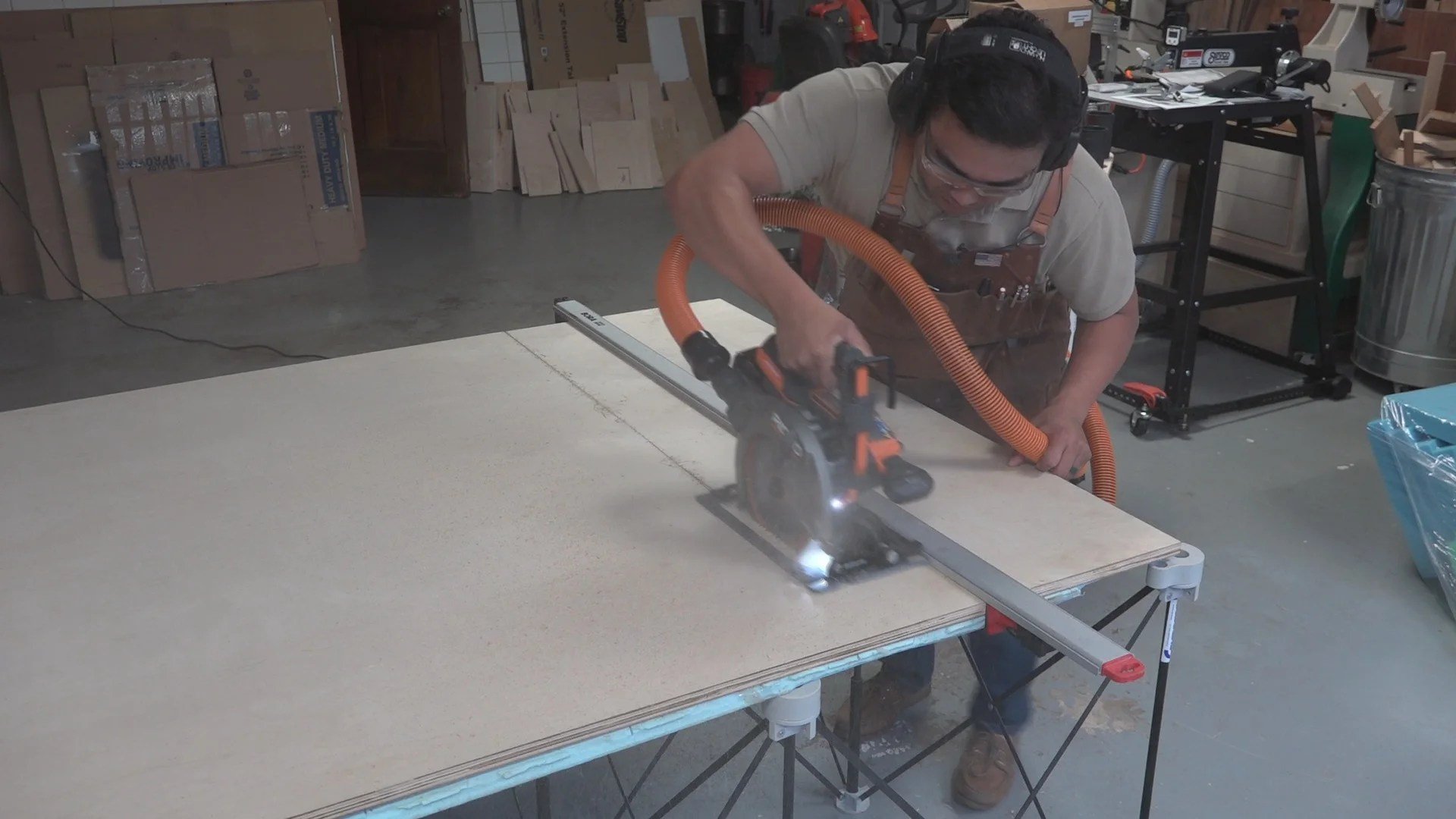
Making a Dining Chair Seat Insert
The upholstered chair cushions for the dining chairs use a 3/4” Birch plywood insert as a platform. I cut the plywood using a circular saw and table saw. I then pattern route the chair insert and add round overs to prevent upholstery fabric from ripping and to help shape the upholstery foam.
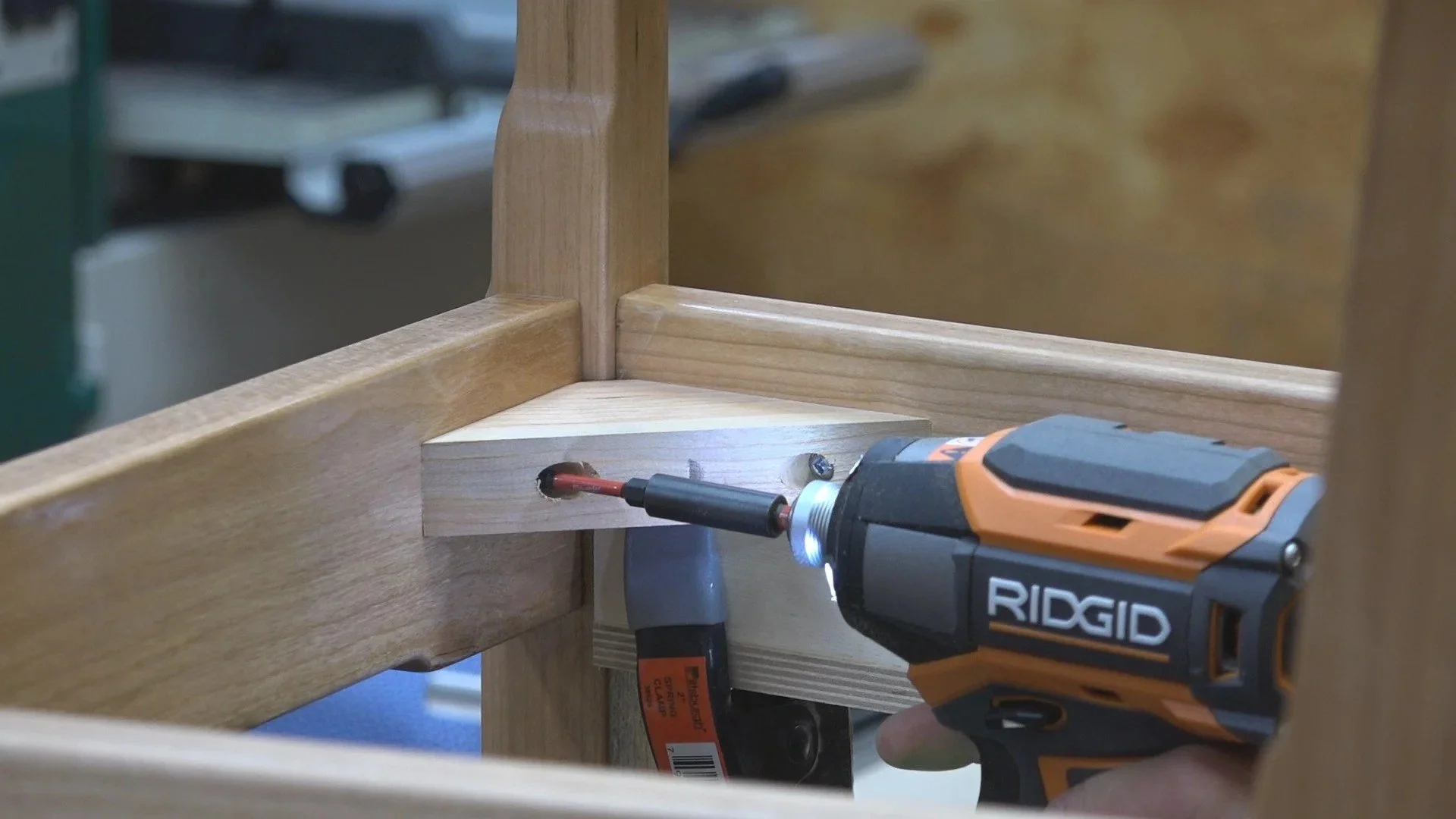
Making and Installing Chair Corner Blocks
Corner blocks on chairs serve two purposes. The corner blocks offer rigidity to the chair rails and prevent the rails from racking. They also provide a platform for the a seat insert to sit on. Since I’m using an upholstered plywood seat insert, I decided to place the top of my corner blocks 3/4” below the top surface of the chair rails.