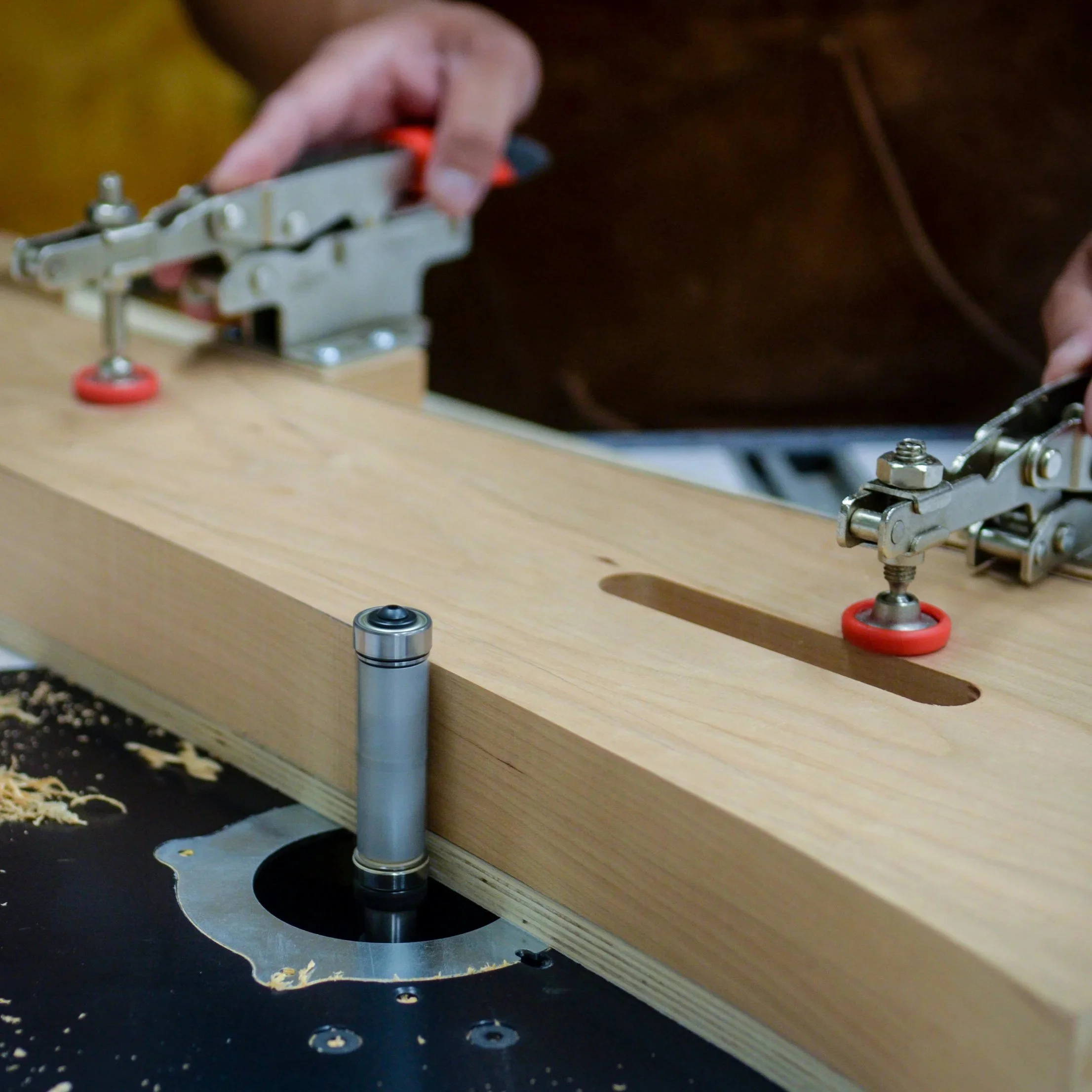
Making Templates and Pattern Routing Jigs
Whenever I’m building furniture with curved pieces, I often produce a template. This helps in the layout of the work piece with respect to grain direction/selection and offers me a life size visualization of the finished piece. This also gives me the ability to reproduce that piece in the future without having to “reinvent the wheel.”
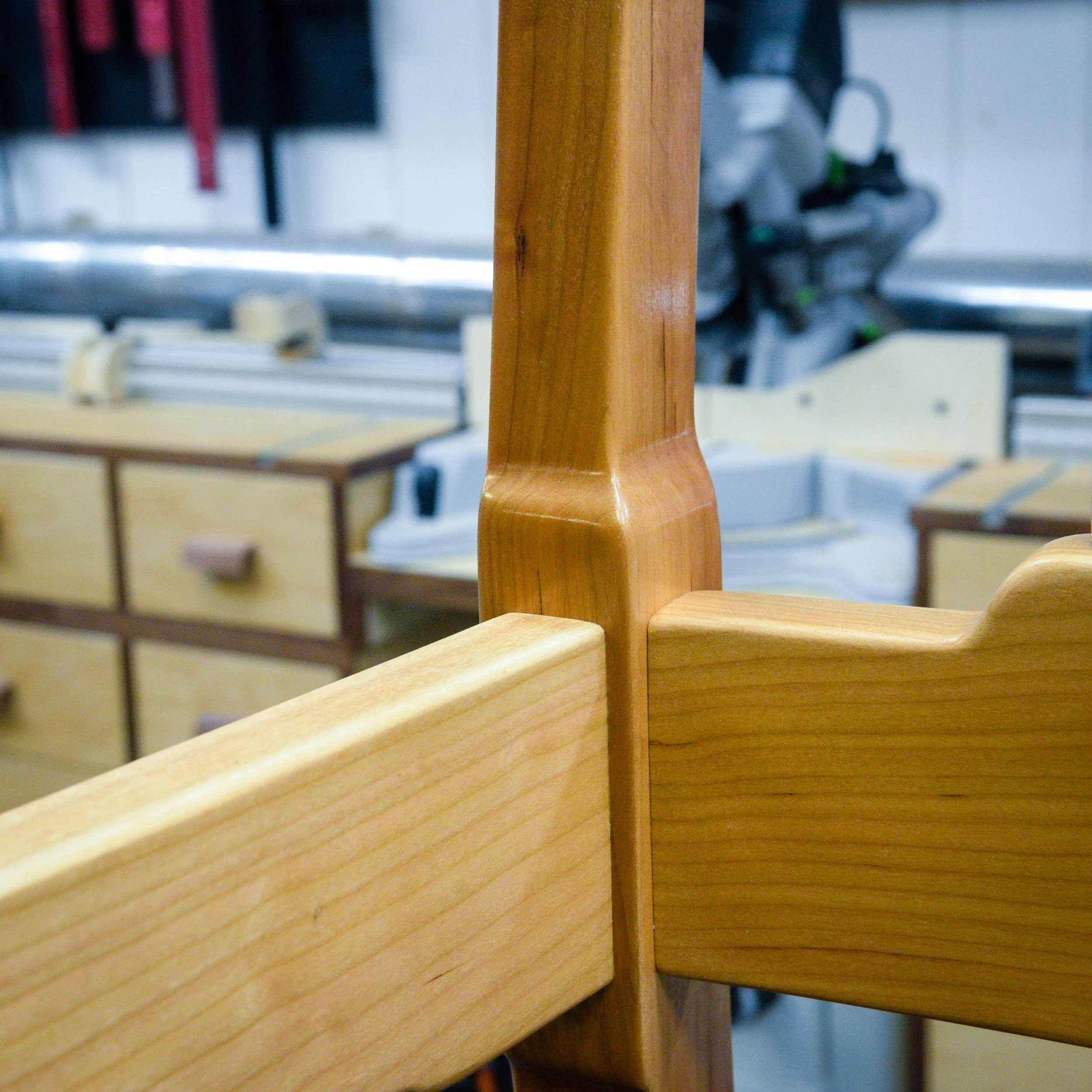
Interior Cloud Lifts on Chair Legs
The interior cloud lifts on the rear legs are shaped using both power tools and hand tools. However, after performing this operation, I realized that the use of a rotary tool may have made my work a lot easier. I’ll discuss that later. First, let me explain how I manufactured this detail.
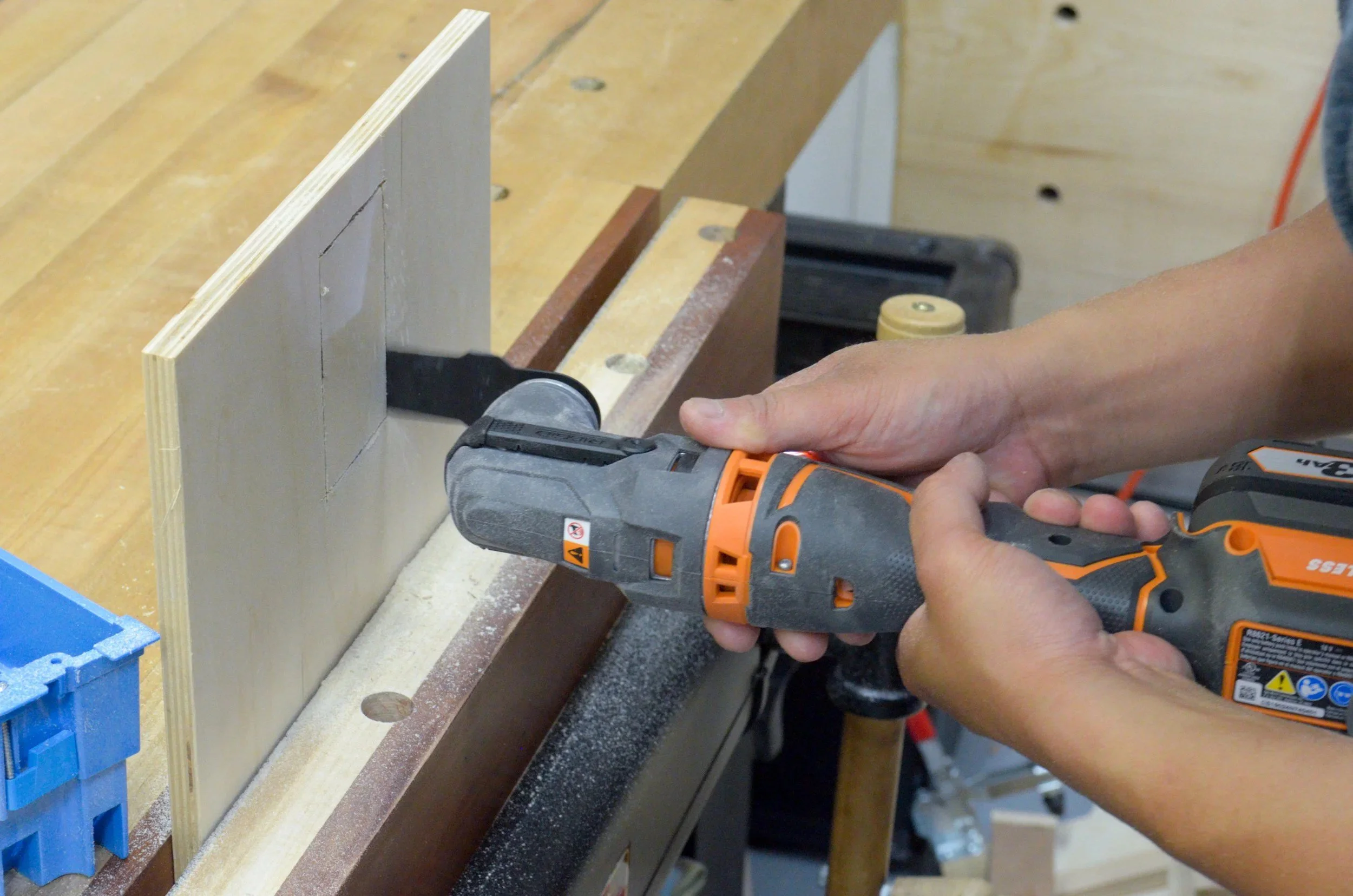
The Ridgid OCTANE 18V JobMax Multi-Tool and Reciprocating Saw
The reciprocating saw and oscillating tool are not tools that I often use. However, they are must-haves when it comes to home renovations, remodeling, and trim work.
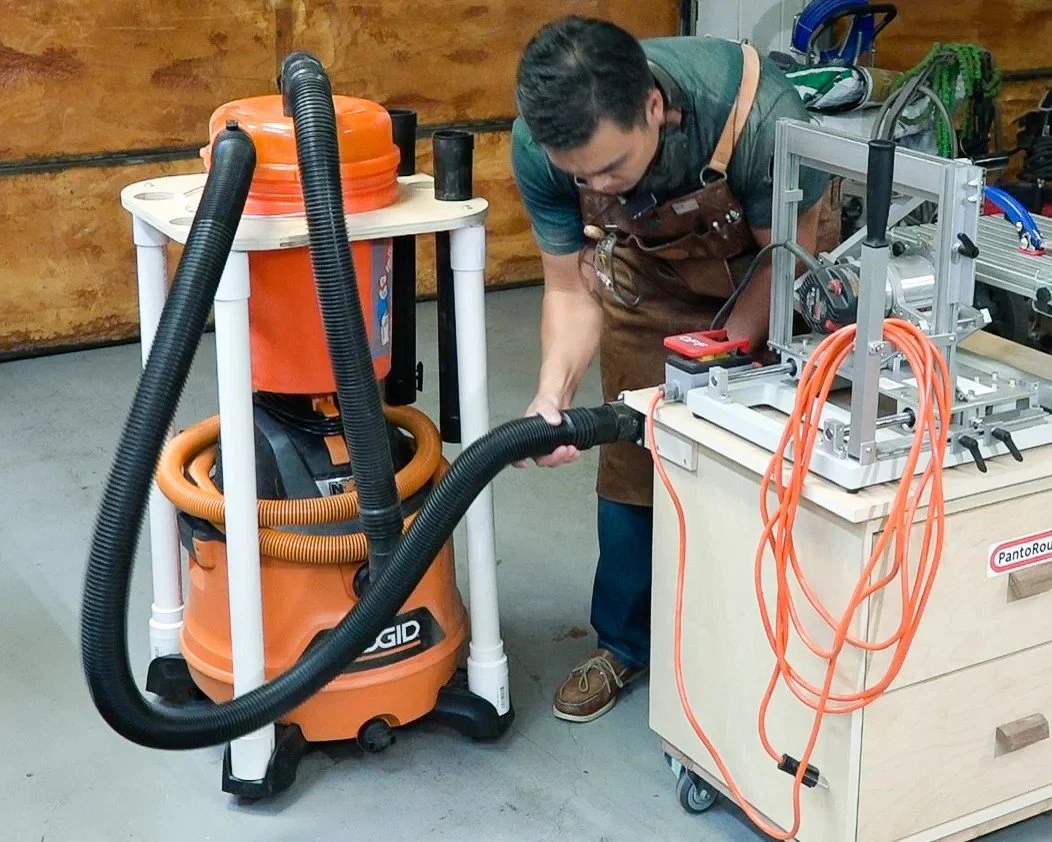
Wet/Dry Vacuums for Tool Dust Extraction
While I use a central dust collection system on my larger woodworking tools, I’ve been using a wet/dry vacuum with a pre-separator to collect dust from my smaller electric tools such as routers and circular saws with much success.
Making a Dining Chair Seat Insert
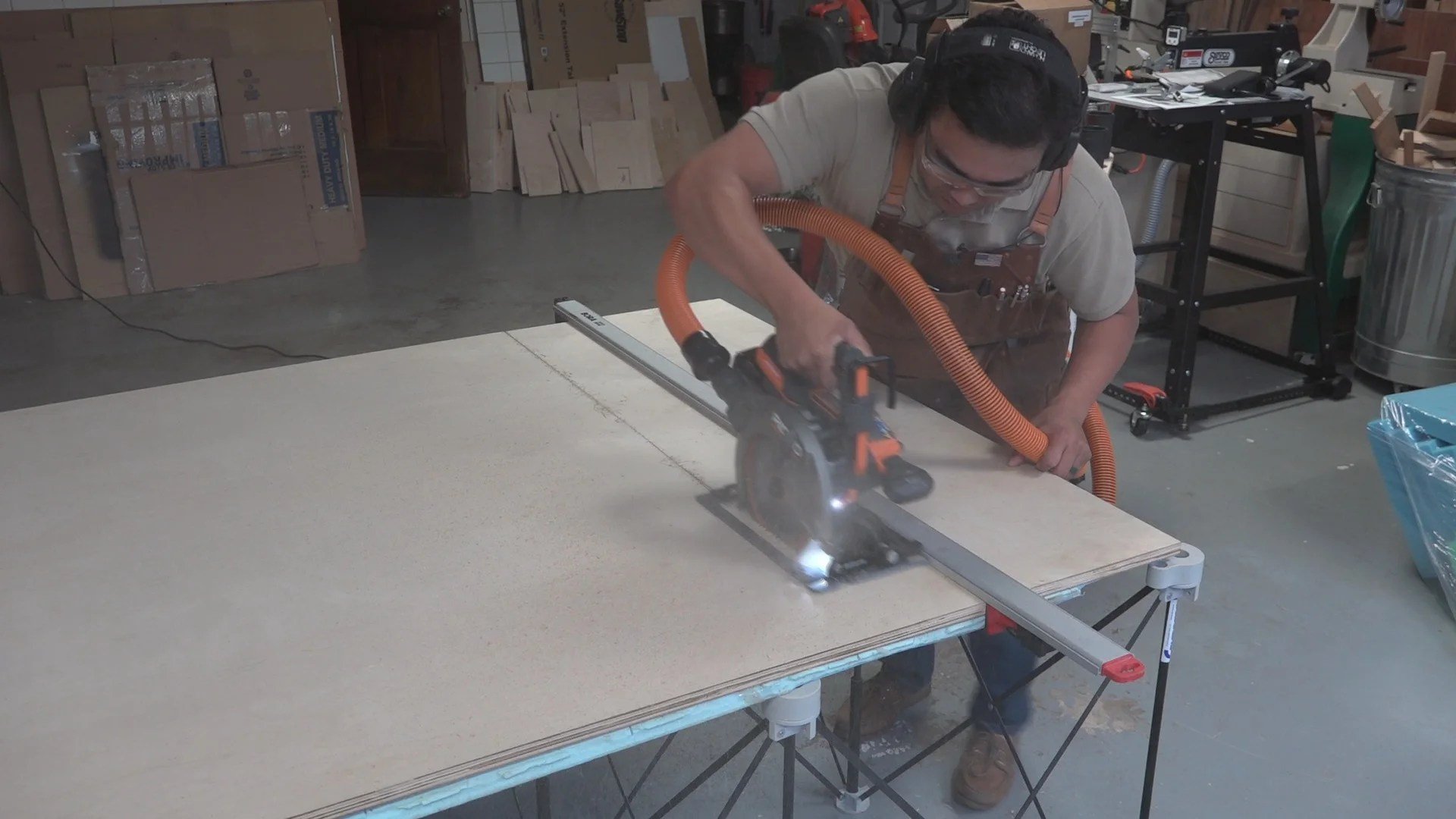
The upholstered chair cushions for the dining chairs use a 3/4” Birch plywood insert as a platform. I cut the plywood using a circular saw and table saw. I then pattern route the chair insert and add round overs to prevent upholstery fabric from ripping and to help shape the upholstery foam.
Making and Installing Chair Corner Blocks
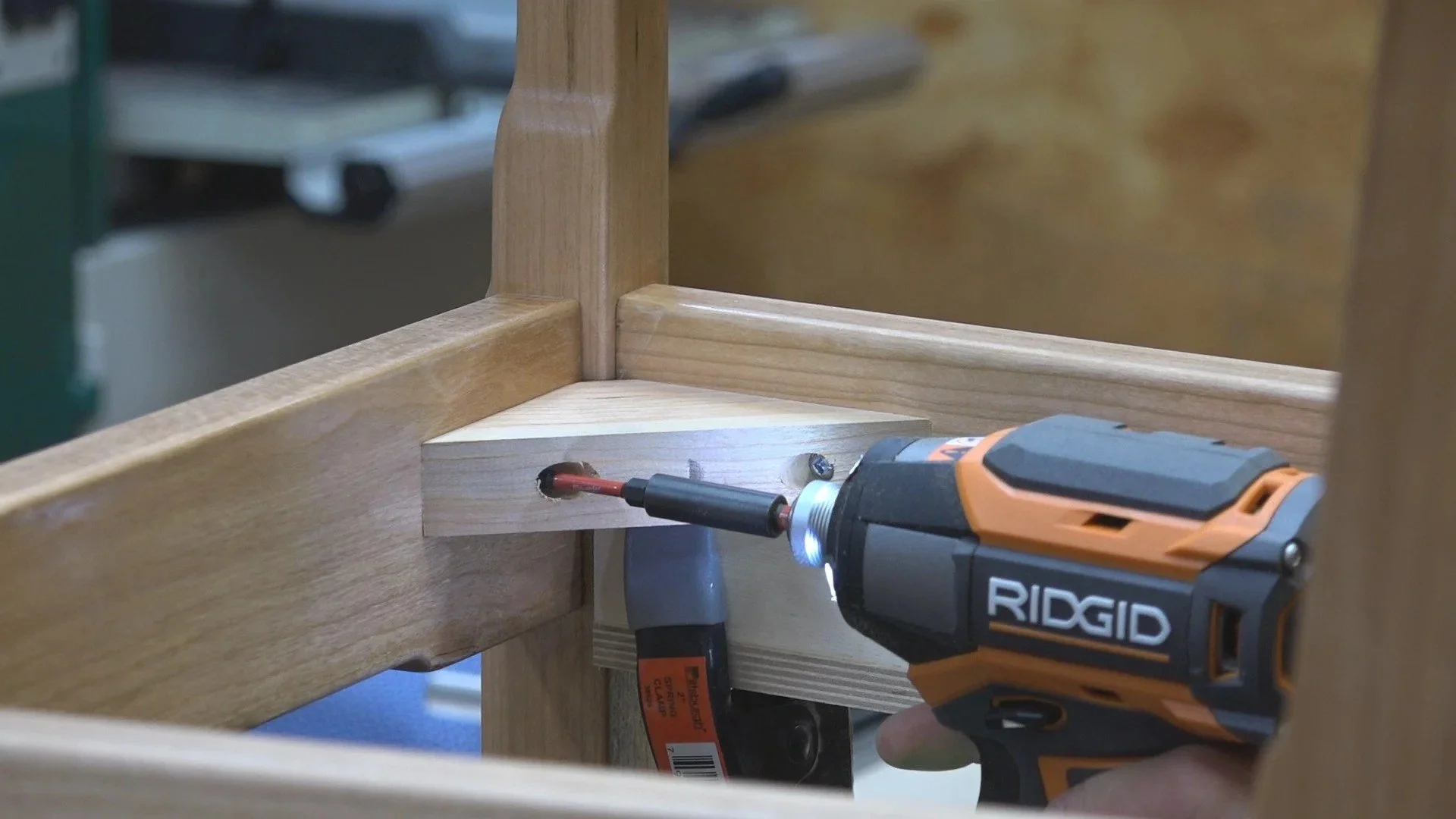
Corner blocks on chairs serve two purposes. The corner blocks offer rigidity to the chair rails and prevent the rails from racking. They also provide a platform for the a seat insert to sit on. Since I’m using an upholstered plywood seat insert, I decided to place the top of my corner blocks 3/4” below the top surface of the chair rails.
Two Types of Laser Levels
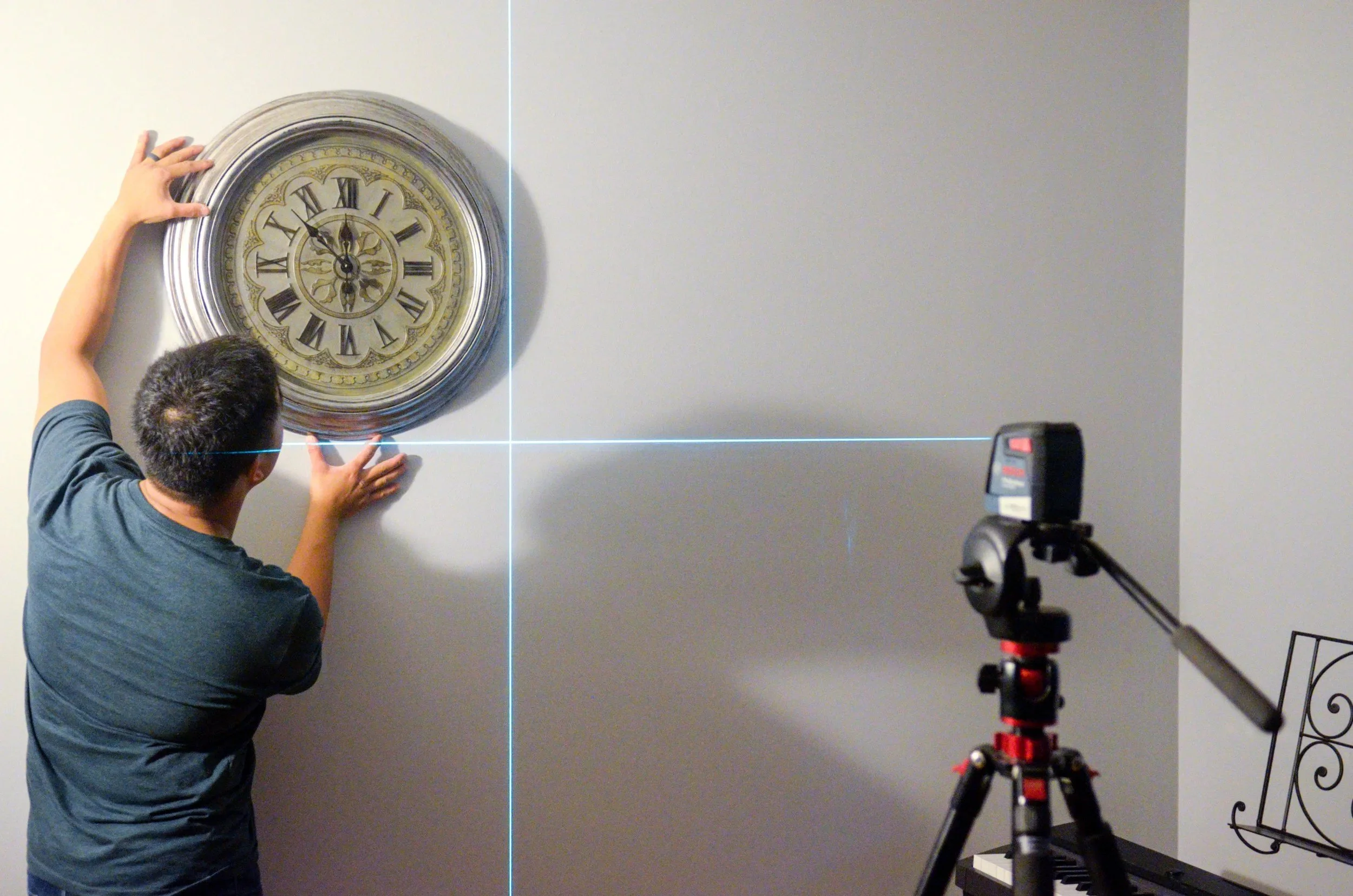
A laser level provides points or lines to layout plumb, level or square references within construction. DIYers and carpenters are using to hang cabinets and built ins. I’m going to be exploring two Bosch laser levels at two very broad price points.
Why Choose a Spade Bit?
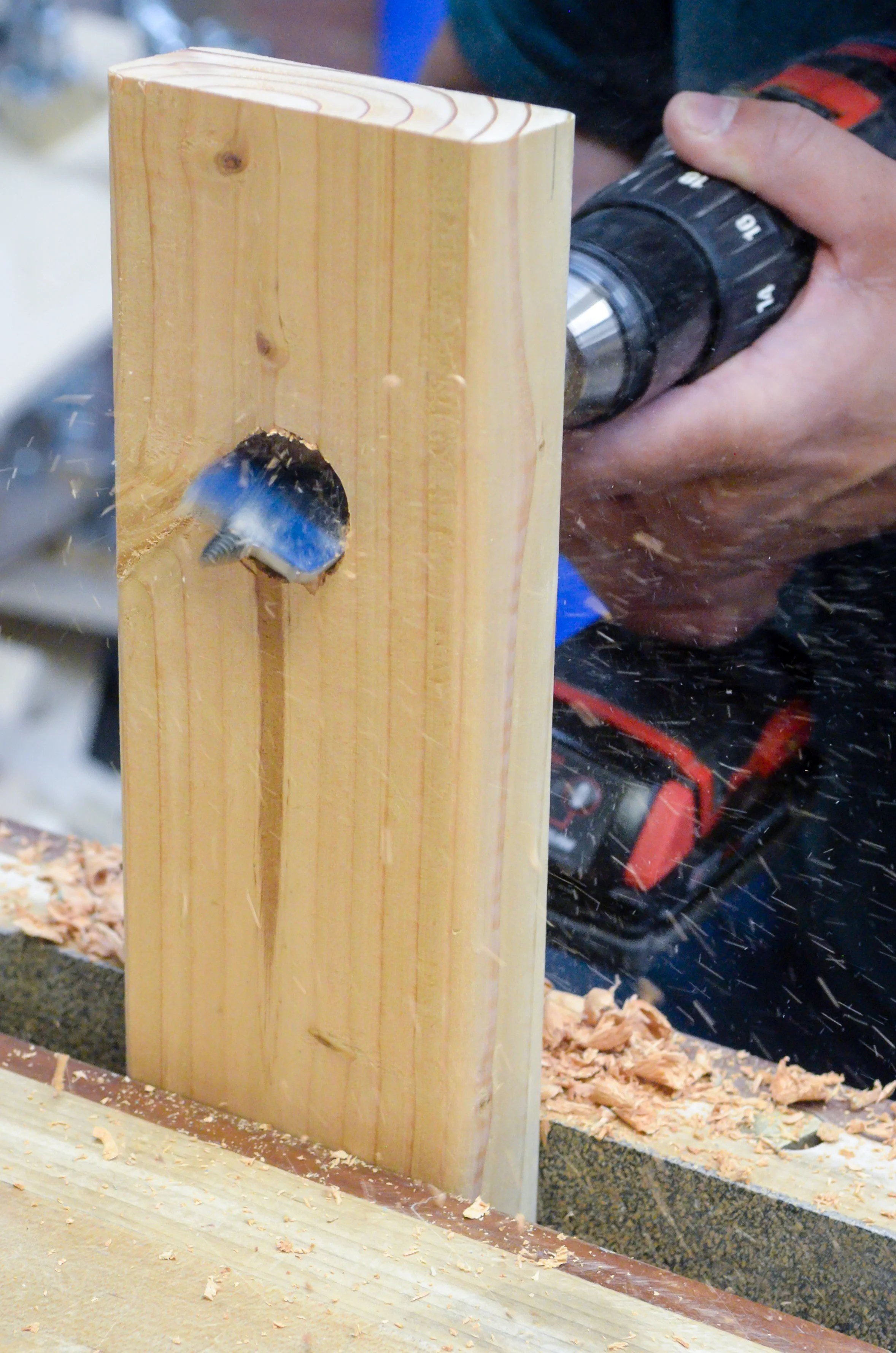
Spade bits are less expensive than other kinds of wood boring bits, making them a much more affordable option particularly when it comes to boring larger holes (1/2” or greater).